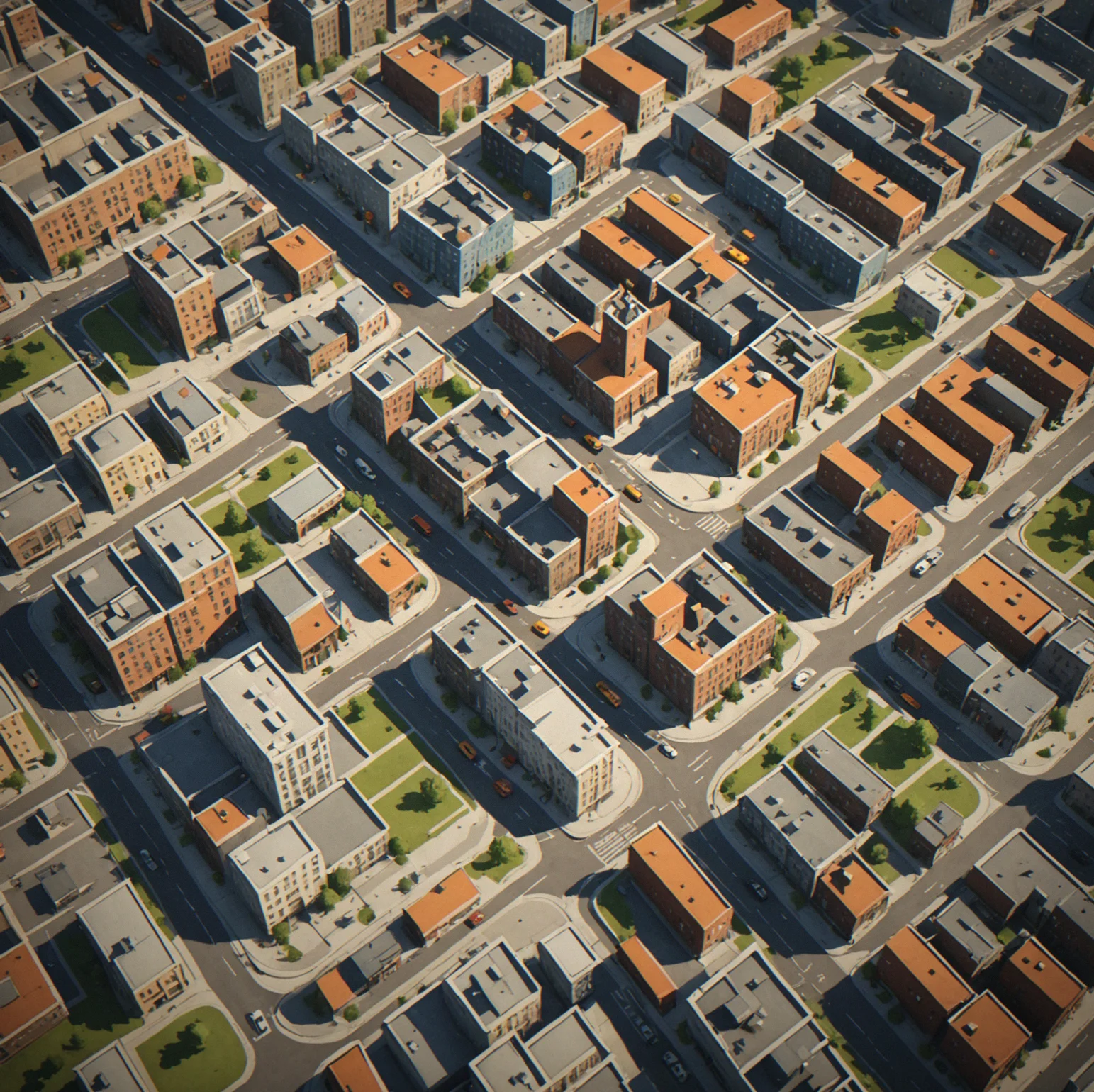
Week 1 you learn the basics
Three hubs, 40 stops, one week to figure out what works. The game hits you immediately. Place a hub badly and you feel it. No tutorials, no hand-holding. Just what happens when you mess up.
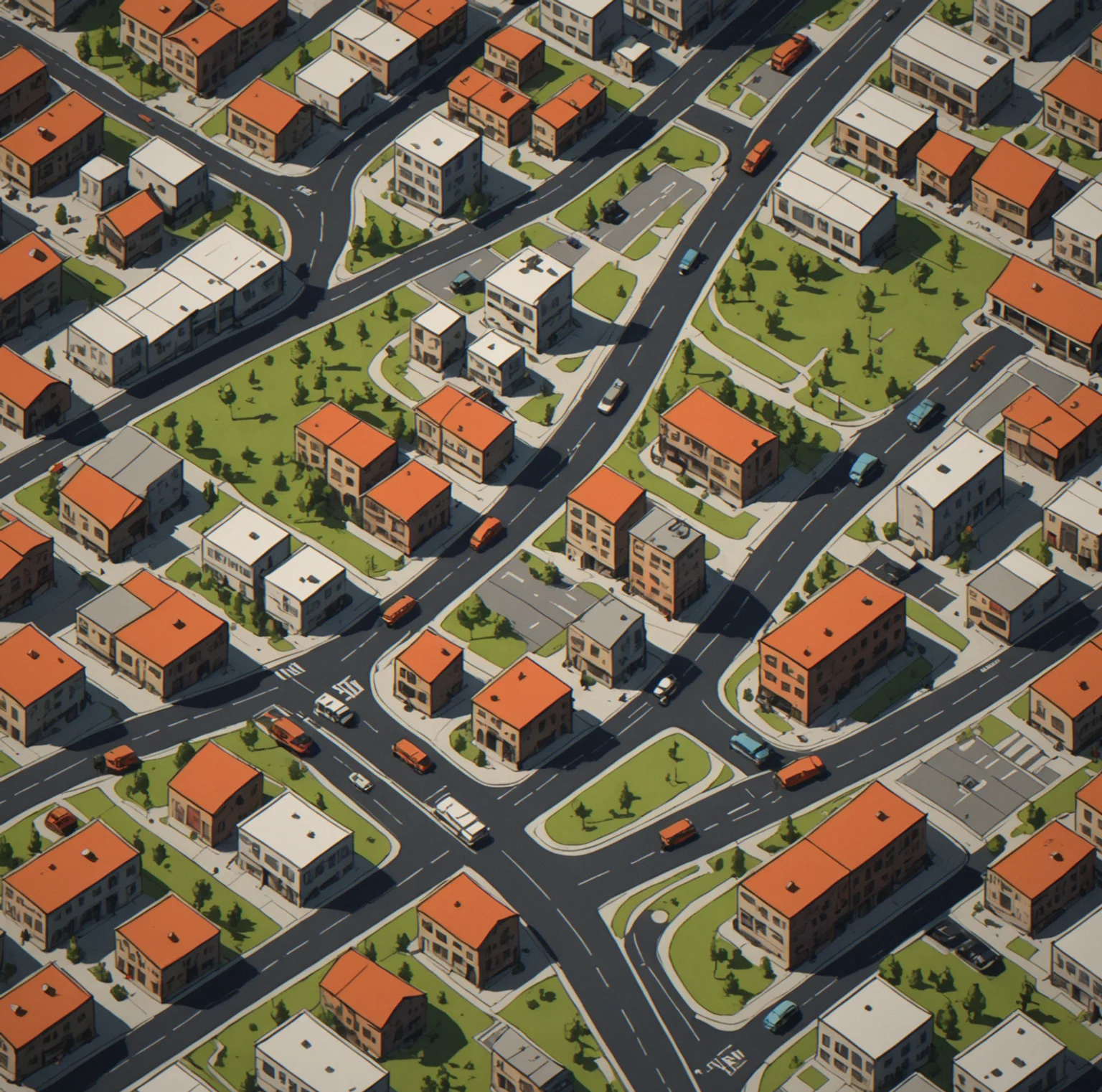
You're running deliveries across a city you built yourself. Speed wants one thing, cost wants another, customers want a third. Where you place each hub, how you route shipments, what demand you forecast—it all matters. Watch everything play out over 20 weeks.
This is for people who actually think about operations, who like solving real constraints, who want mechanics that push back. Not a casual puzzle. Real systems. Real consequences. Complexity that emerges from what you do.
Six things that make this different.
Speed, cost, satisfaction. Pick two. Every week you decide what matters most — then everything else shifts around it. A decision in week 6 still echoes through week 14.

One location. Forty-plus stops depending on it. Wrong spot means you're bleeding money on longer runs. The city doesn't move. Distances stay the same. You work within what you've got.
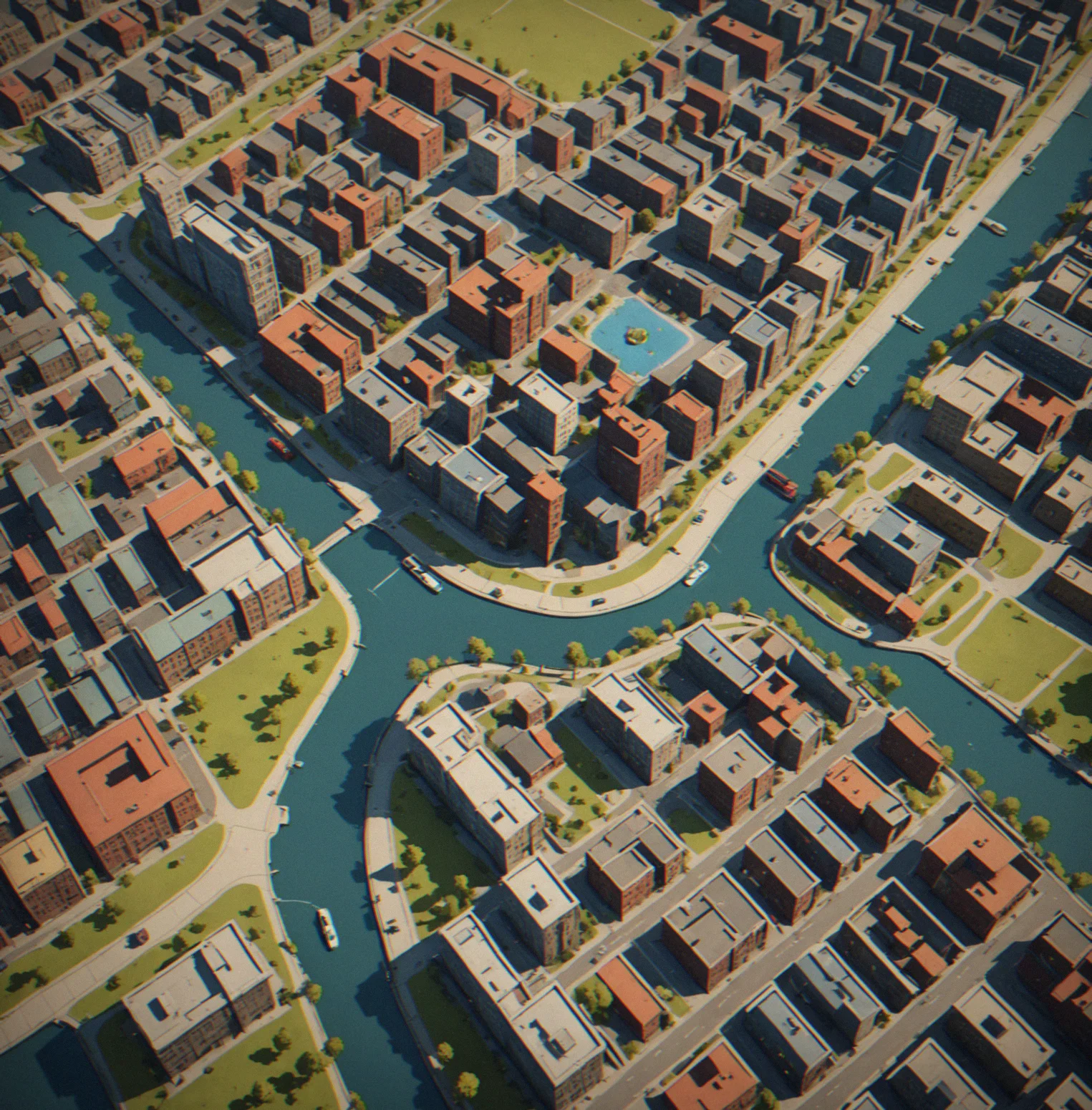
Demand goes up and down. You guess where it'll spike and scale the hub before the week ends. Miss and you're either overstaffed or rejecting orders. The game shows what you should've predicted.
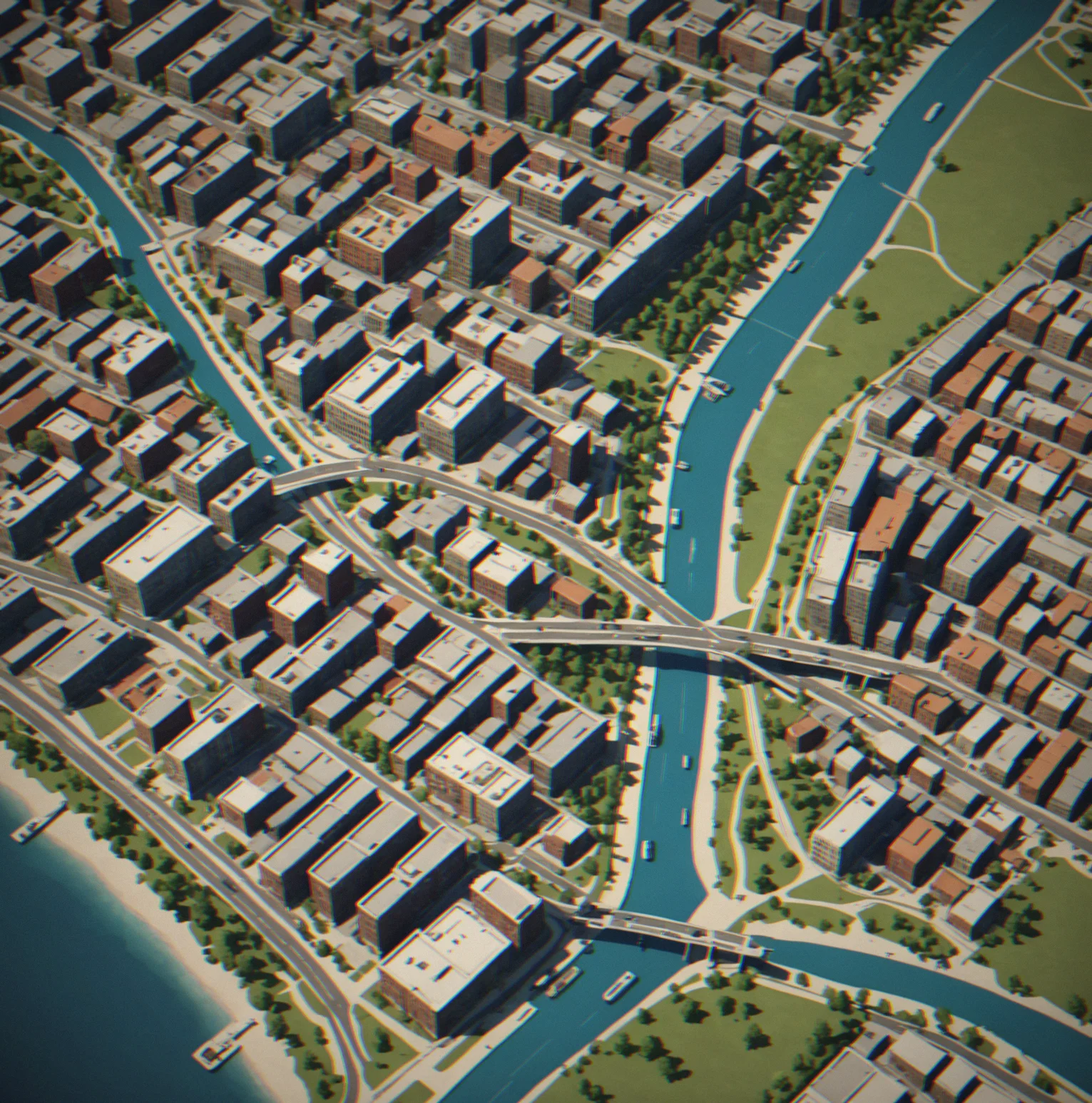
Downtown is packed. Routes crawl. You're stopping often but covering less distance per hour. Suburbs spread out but move faster. Physics doesn't lie. Neither does the game.
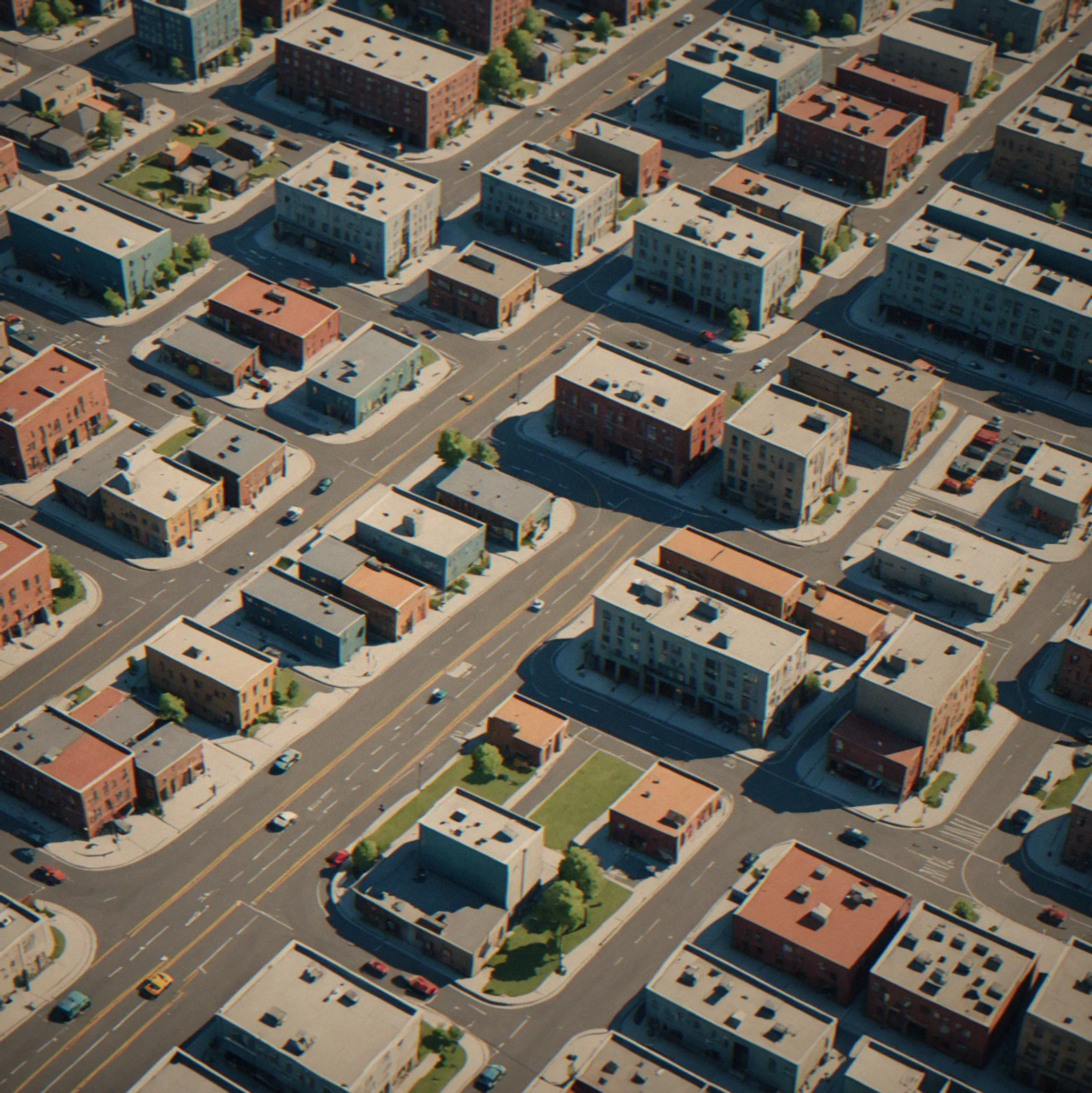
You control where packages go. Regional hubs bring shipments together. Local spokes finish delivery. Tweak one connection and costs drop — speed might tank. That's the tension the whole thing is built on.

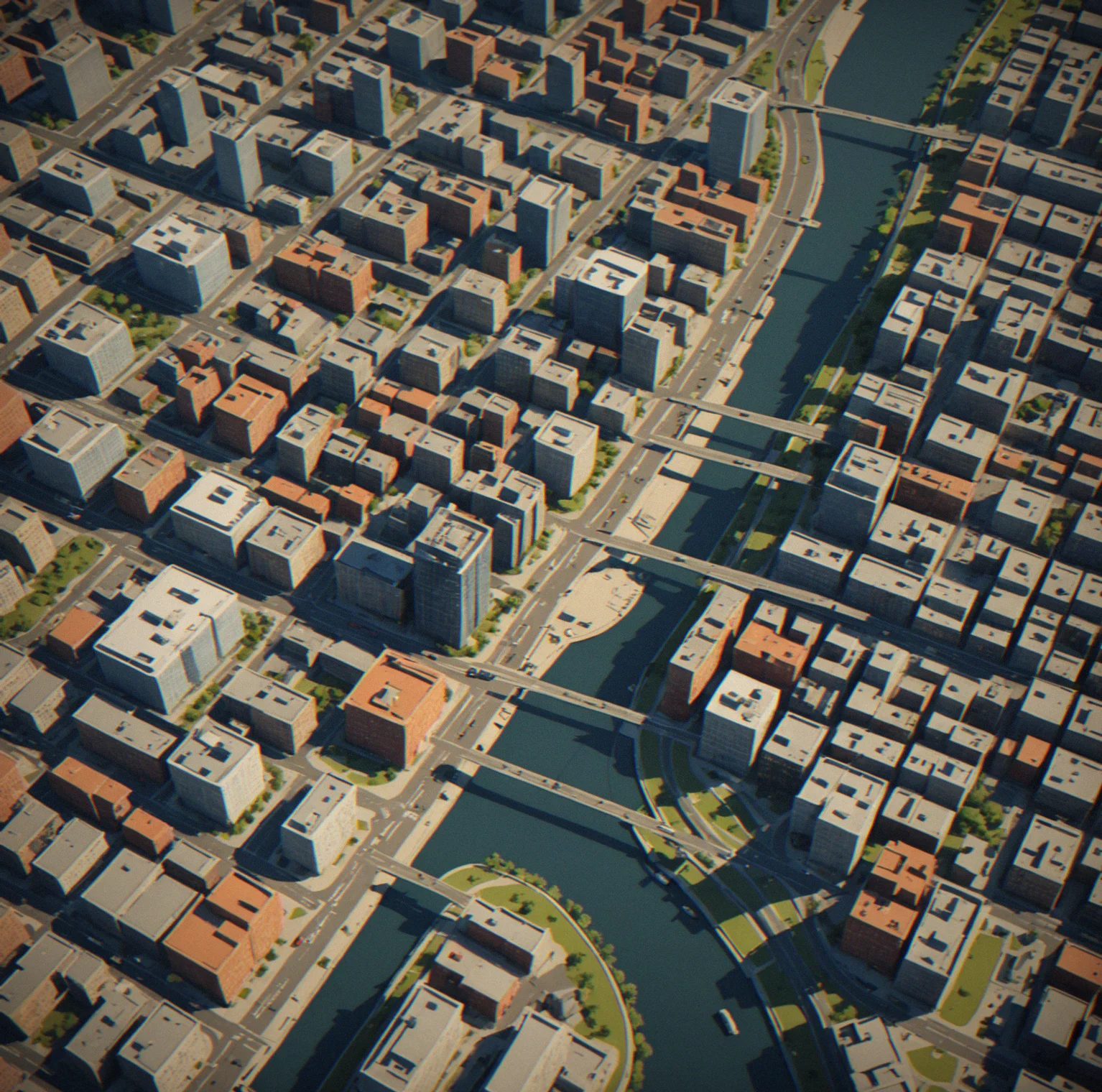
First month teaches you the basics. By week 8 you're running a real operation. Early moves stick around. A lean setup from week 6 keeps that edge later — unless demand suddenly shifts hard. You live with what you built.
1 / 6
Five reasons this works for people who think about how systems actually function.
Last-mile delivery, hub-and-spoke routing, demand forecasting. Not just window dressing. These are the actual rules that determine how well your network operates. You can't cheat physics or density. The simulation shows what really happens in working networks.
Same three districts every game. Downtown packed tight, warehouse area, suburbs scattered out. Nothing randomized. That means you can actually get good at it. Different approaches produce genuinely different results in that same space.
You can't have all three. Fast, cheap and satisfying—pick two. Speed drains your budget. Cutting coosts means people wait longer. Keeping people happy takes both speed and money. Every move has weight. None of them are clearly wrong.
Limited budget, limited hub capacity, limited hours per week. These aren't artificial gates. They're what you're actually dealing with. The interesting decisions happen when you work inside the constraints, not around them.
Where you place a hub in week 3 affects everything by week 18. Build lean and cheap by week 6 and you keep that edge, unless demand suddenly shifts and breaks the whole thing. You're not solving isolated puzzles. You're building something that evolves.
Six things that make this different from the usual puzzle games.
Three hubs, 40 stops, one week to figure out what works. The game hits you immediately. Place a hub badly and you feel it. No tutorials, no hand-holding. Just what happens when you mess up.
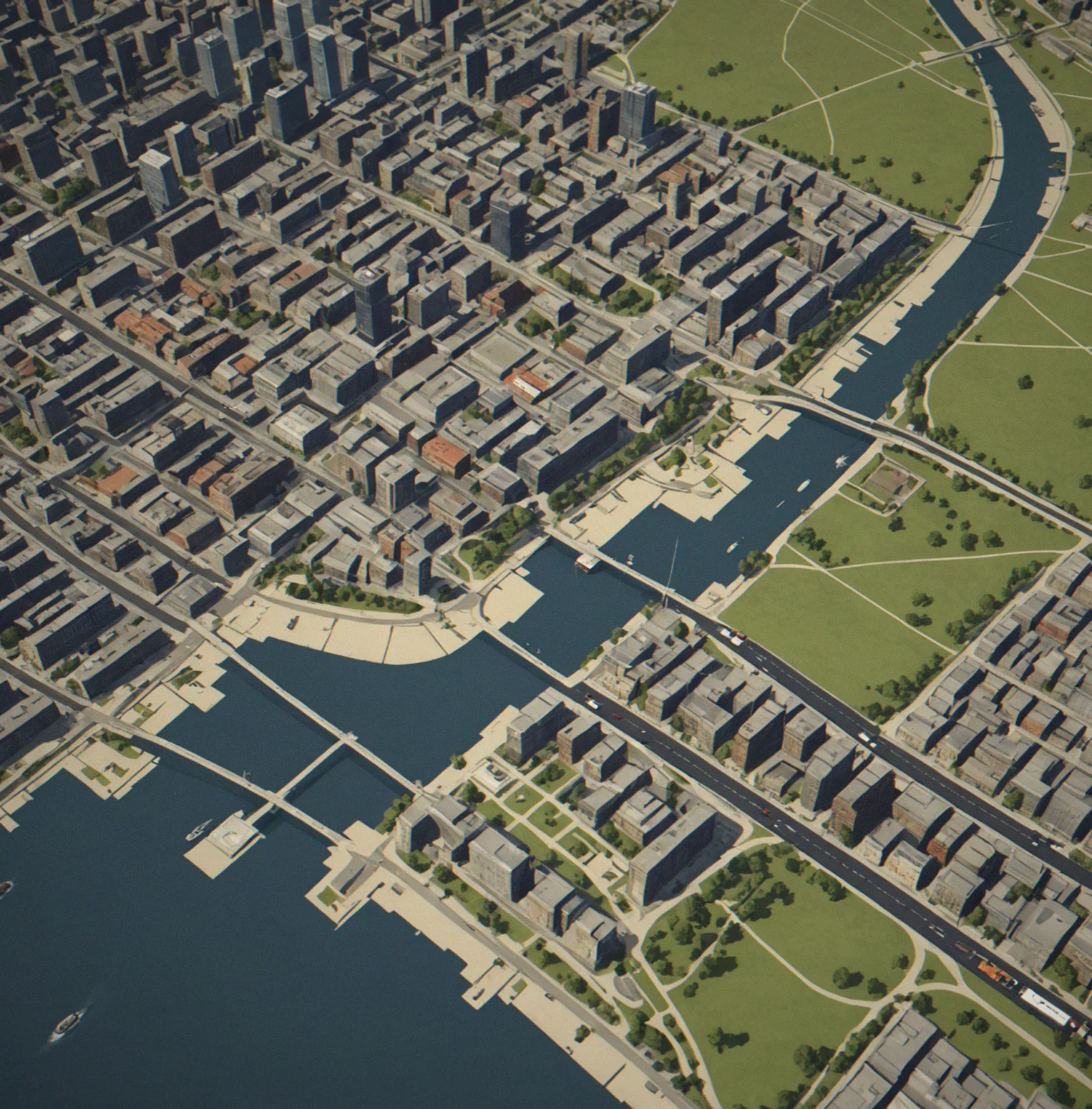
You predict where packages pile up. Get it right and hub capacity matches what actually happens. Get it wrong and you're either overstaffed or turning away orders. That's a real logistics problem, not some absrtact puzzle thing.
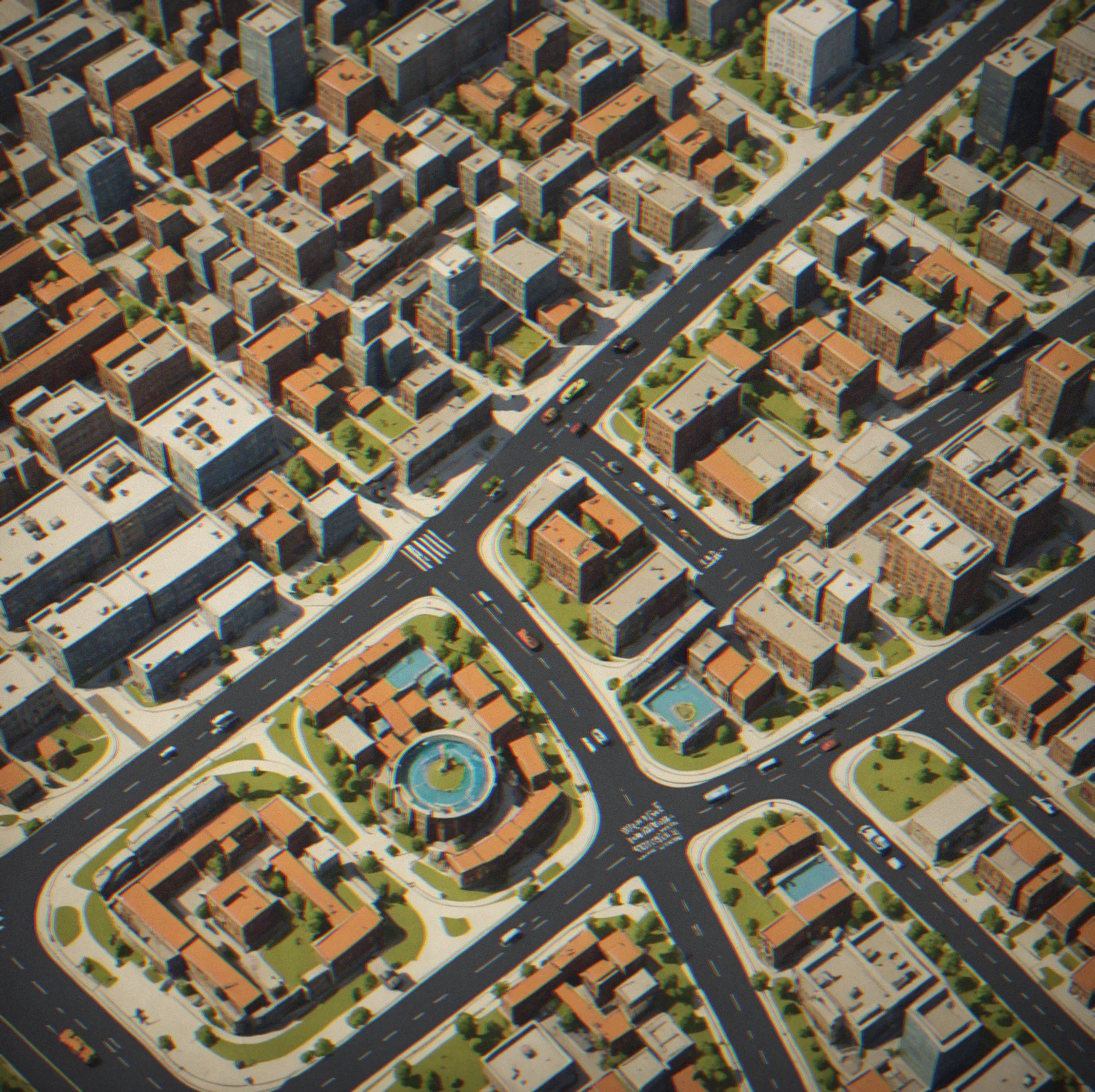
You've got a budget. Hubs cost it. Trucks cost it. Inefficient routes bleed cash every week. By week 12, someone who optimized early has a surplus while the other player is in the red. That gap keeps growing.
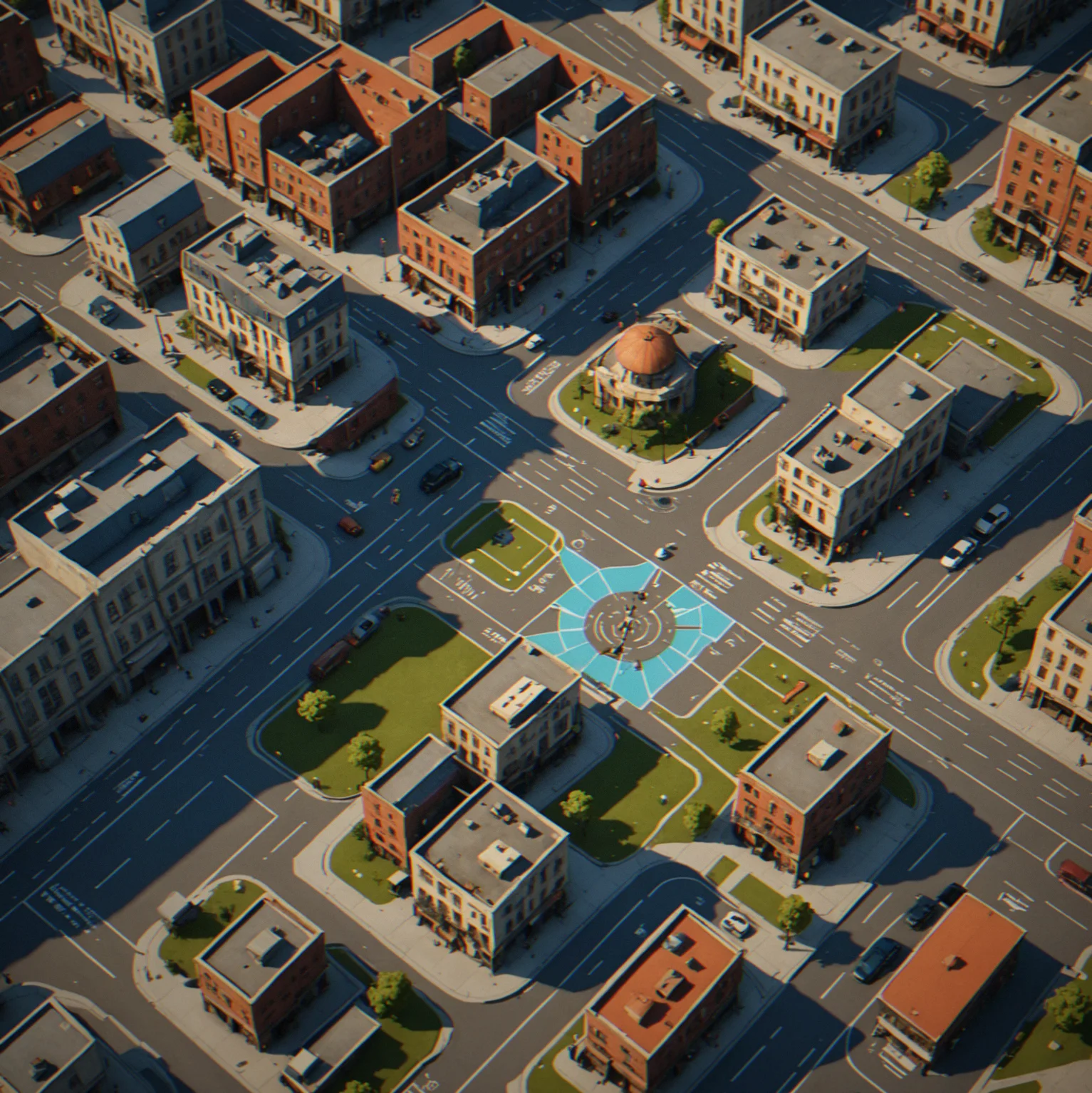
Deliver fast and customers notice. But cut corners on reliability — miss time windows, damage packages — and speed just makes them angry faster. The game weights these together because that's how it works in reality.
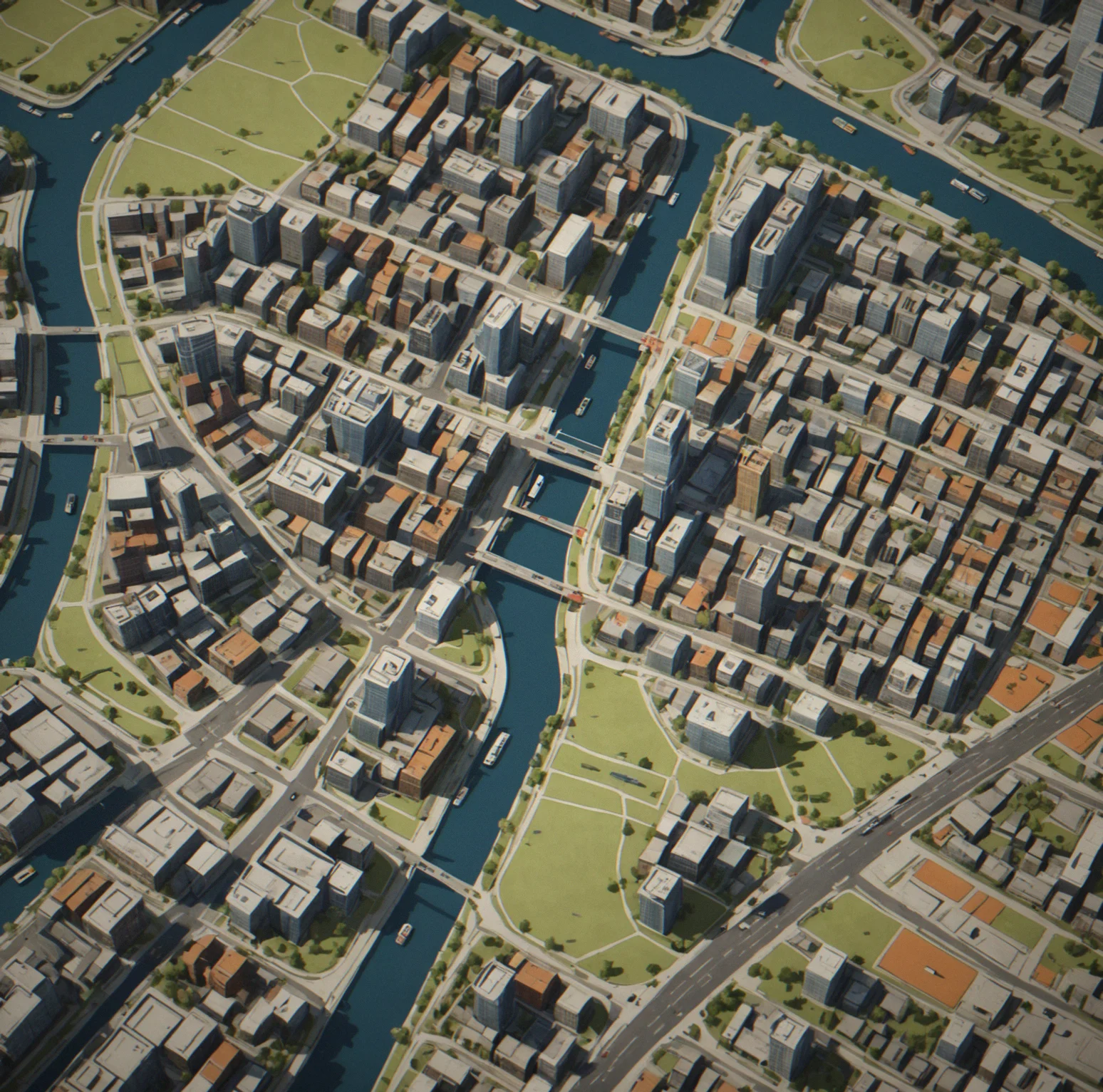
Same districts, same distances, same density every run. Learning the city's shape — figurign out why one block works better for a hub than another — replaces random map generation. You get to master something instead of just adapting.
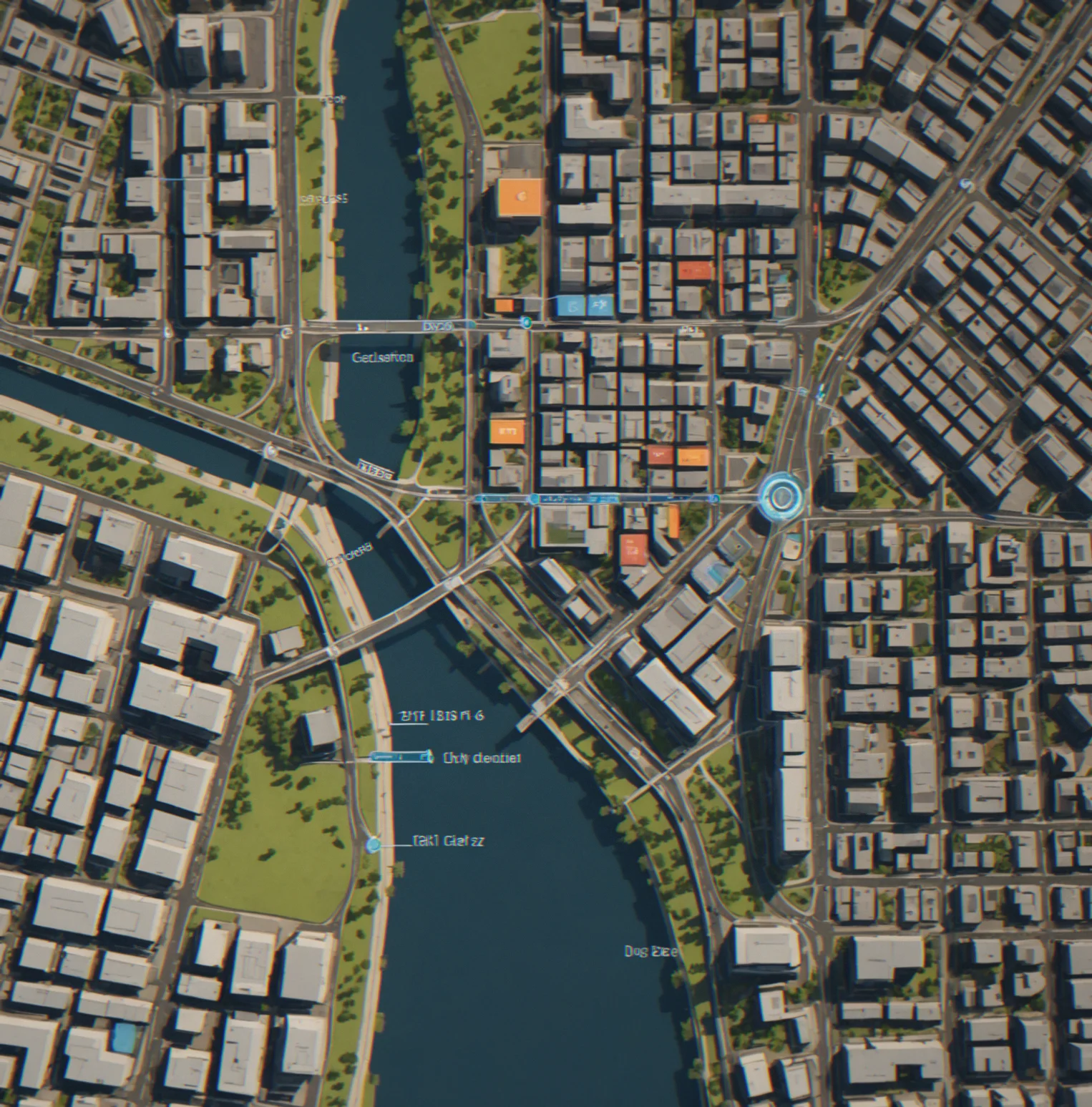
A hub you place early becomes either useful or a drag. A routing pattern that works at the start either scales or breaks under pressure. Early decisions stick. You can't reset without starting over, so you learn from what you built.
This isn't just another puzzle game. The mechanics are actual logistics concepts that you can play with. Last-mile delivery gets expensive per unit distance in crowded areas because trucks crawl through traffic. Hub-and-spoke routing works the way real networks do — you consolidate shipments at regional centers and push them out from there. Demand forecasting changes what capacity you need. None of this is simplified or abstracted away. It's how logistics networks actually function, and it's what you're managing.
You have 20 weeks to put together a network. Three things are pulling at you — speed, cost and satisfaction. You can nail two of them. Optimize for cost and your customers suffer. Chase speed and you're bleeding money every week. Getting them balanced means making tough calls constantly, and what you decide early on shapes everything that comes after. Where you put a hub in week 6 still matters when you hit week 18. That's the whole system. You're not just solving disconnected puzzles. You're building something that costs money to run and needs constant attention.
Last-mile economics, demand forecasting and hub-and-spoke routing are actual rules that shape your network. You can't ignore them.
Same three districts in every run. No procedural generation or random layouts. Getting good means understanding what the city actually demands, not just adapting to whatever map shows up.
Speed, cost and satisfaction all want different things from you. You decide which two matter most. Both cohices feel earned and both have real weight.
Early moves echo forward. A hub you placed in week 3 is either working out or drgaging you down by week 16. You carry the consequences.
Made for operations managers, logistics professionals and indie players who want real constraint-solving depth. Not the casual optimization type.
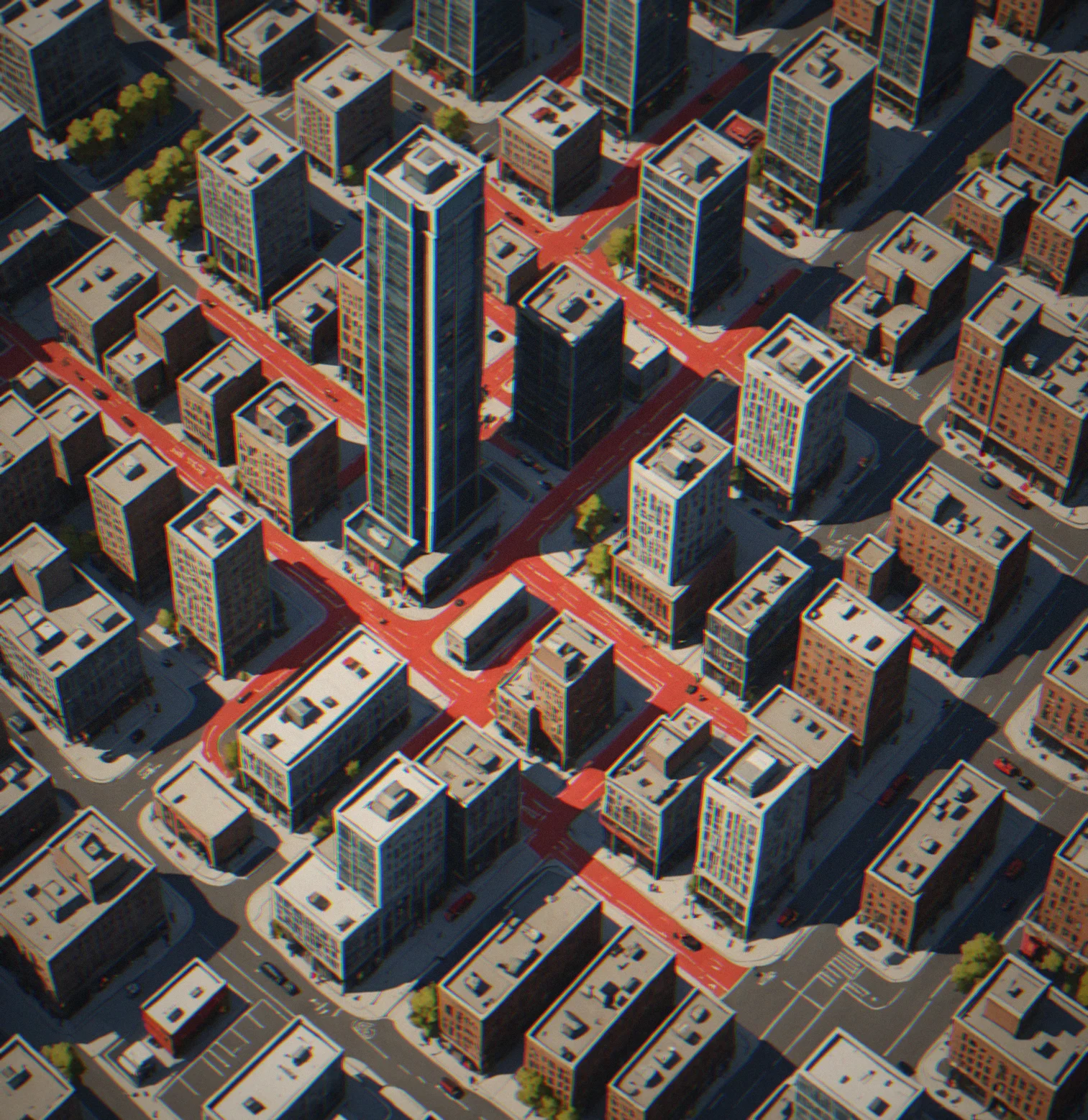
Downtown means density. Everything's close together, but the margins get thin fast
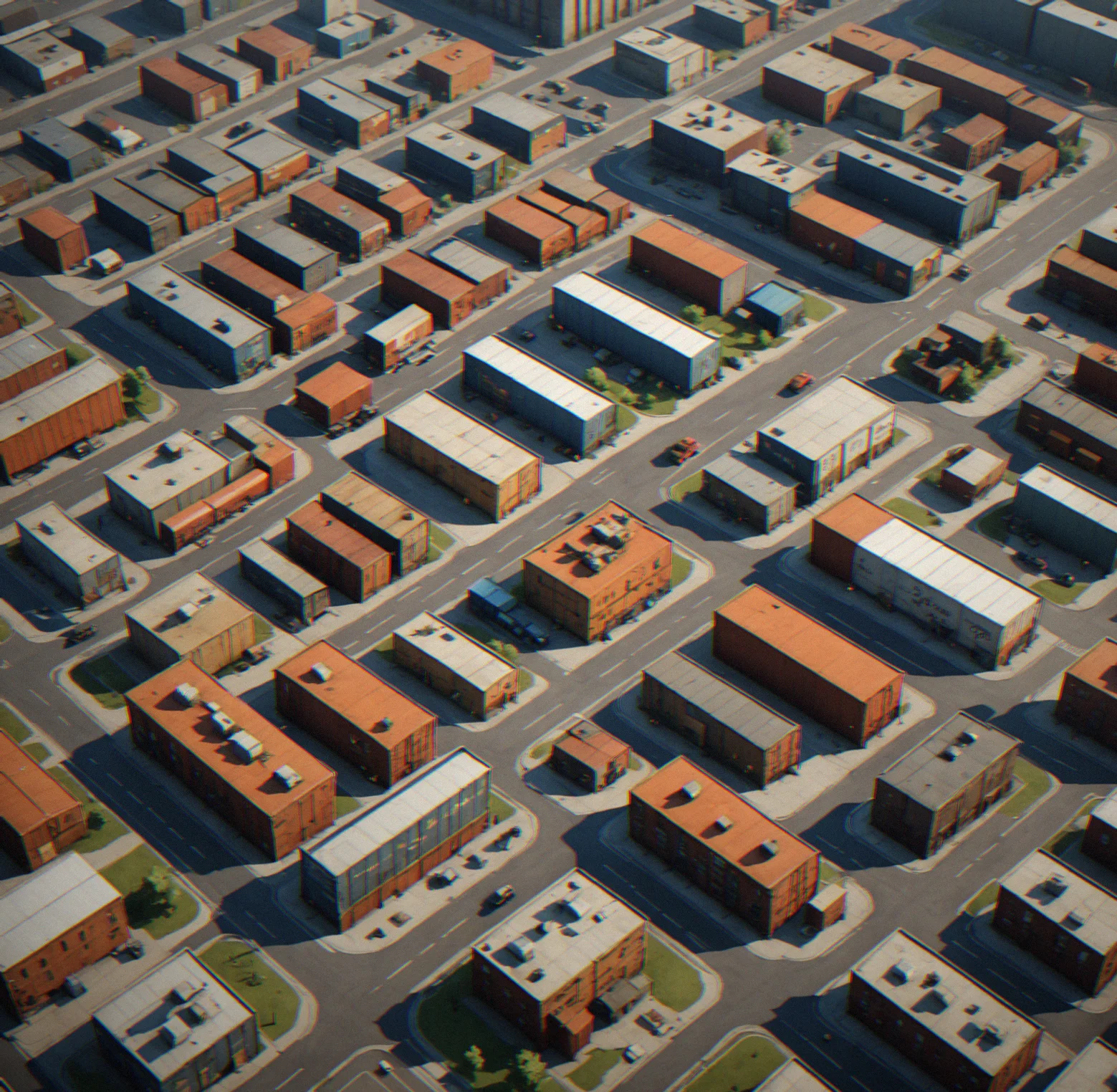
Warehouse zones work because you can consolidate everything
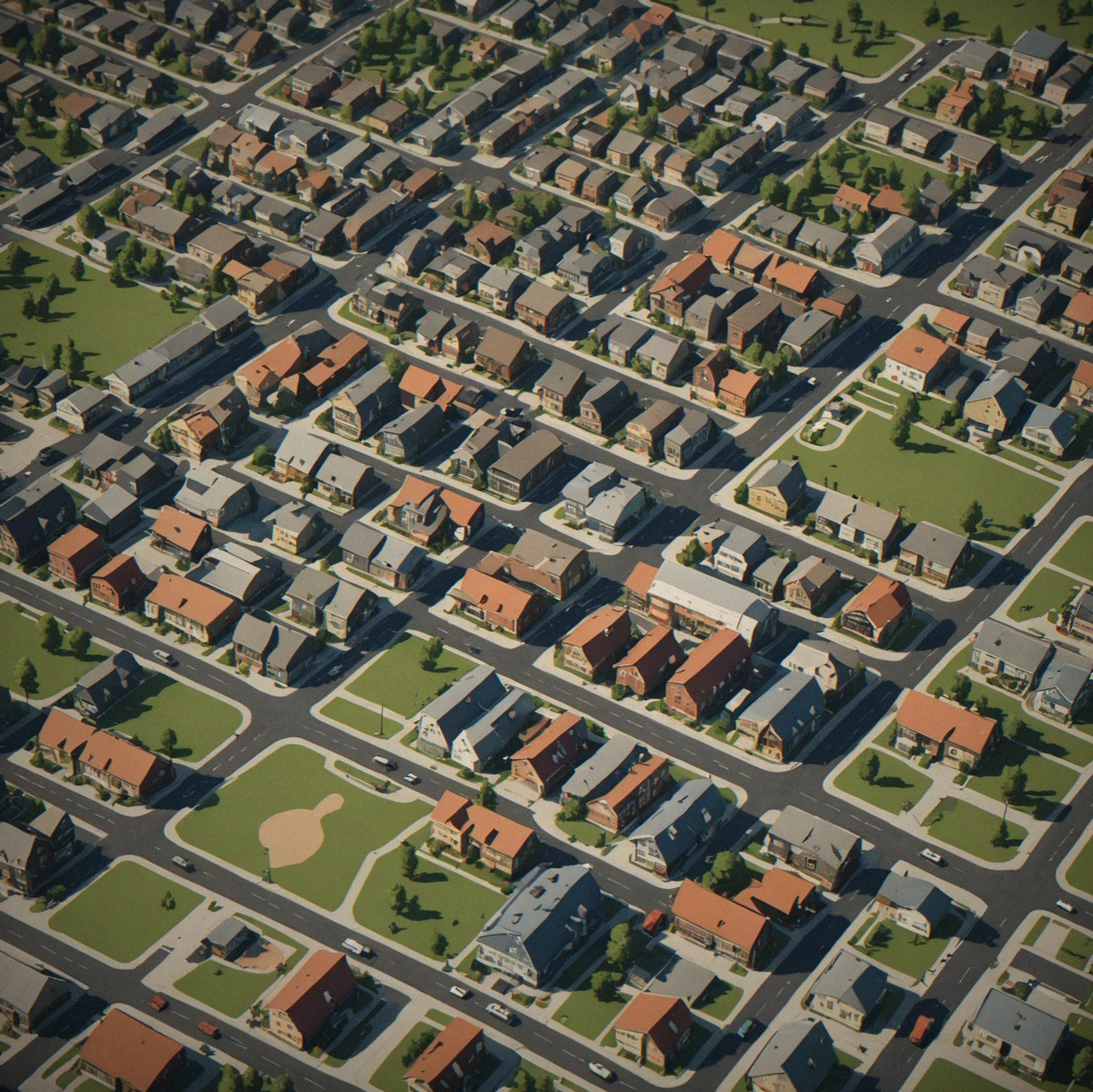
Suburbs are the real challenge. Distance eats into profit unless you move volume
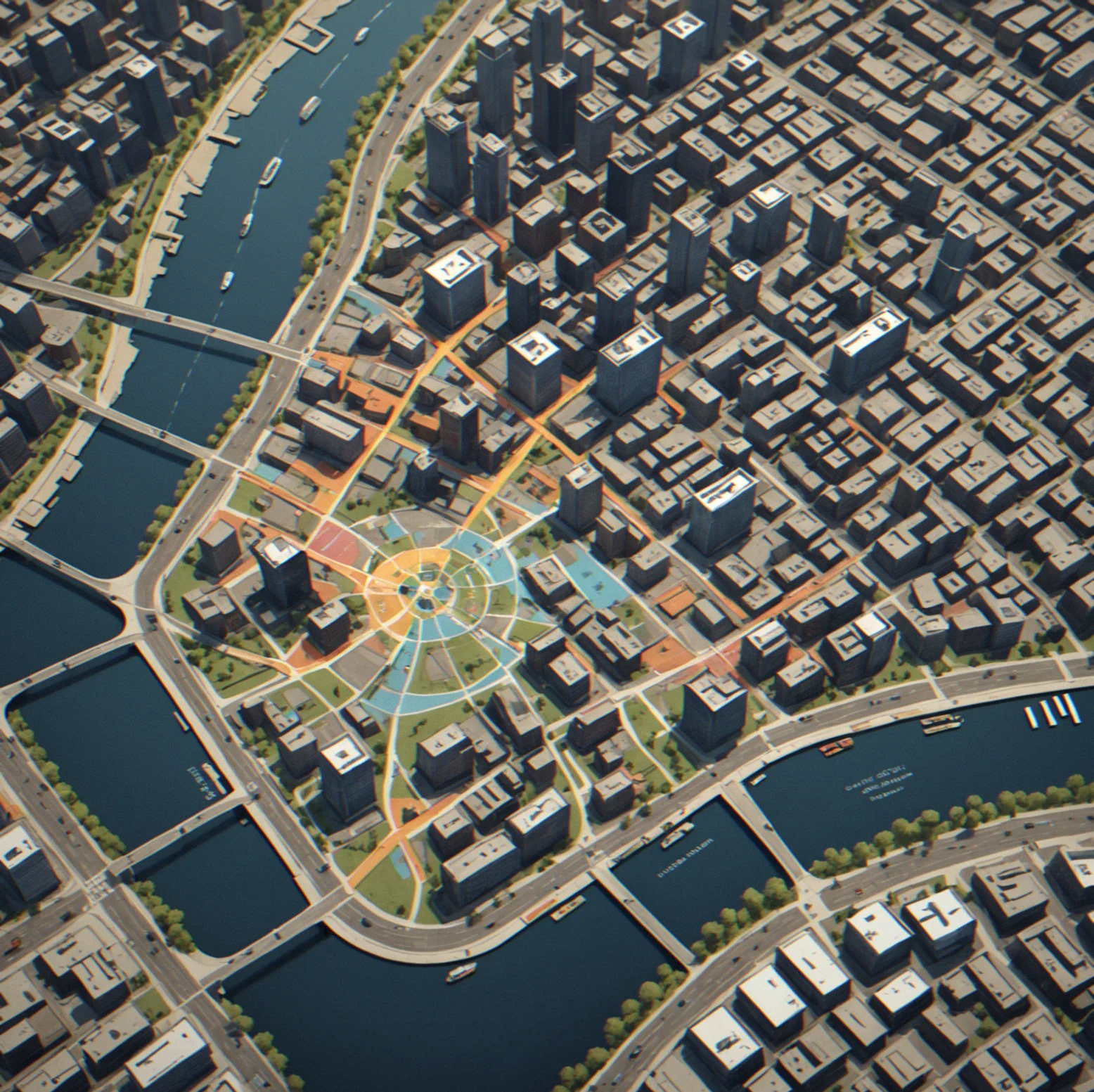
Hub-and-spoke is where the consolidation magic actually happens
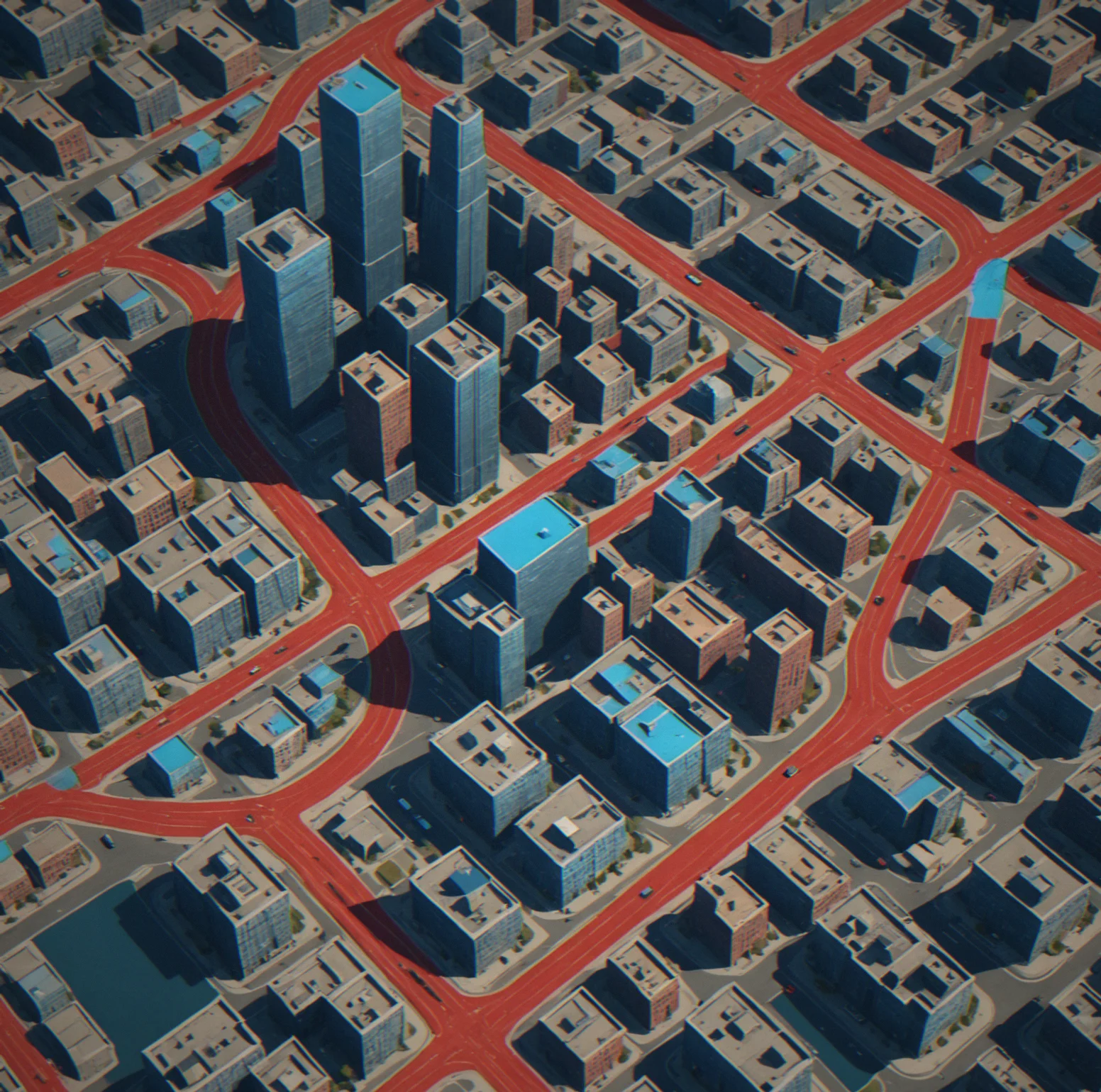
Demand doesn't stay still. What's hot this week might cool down next, and your forecasts drive everything
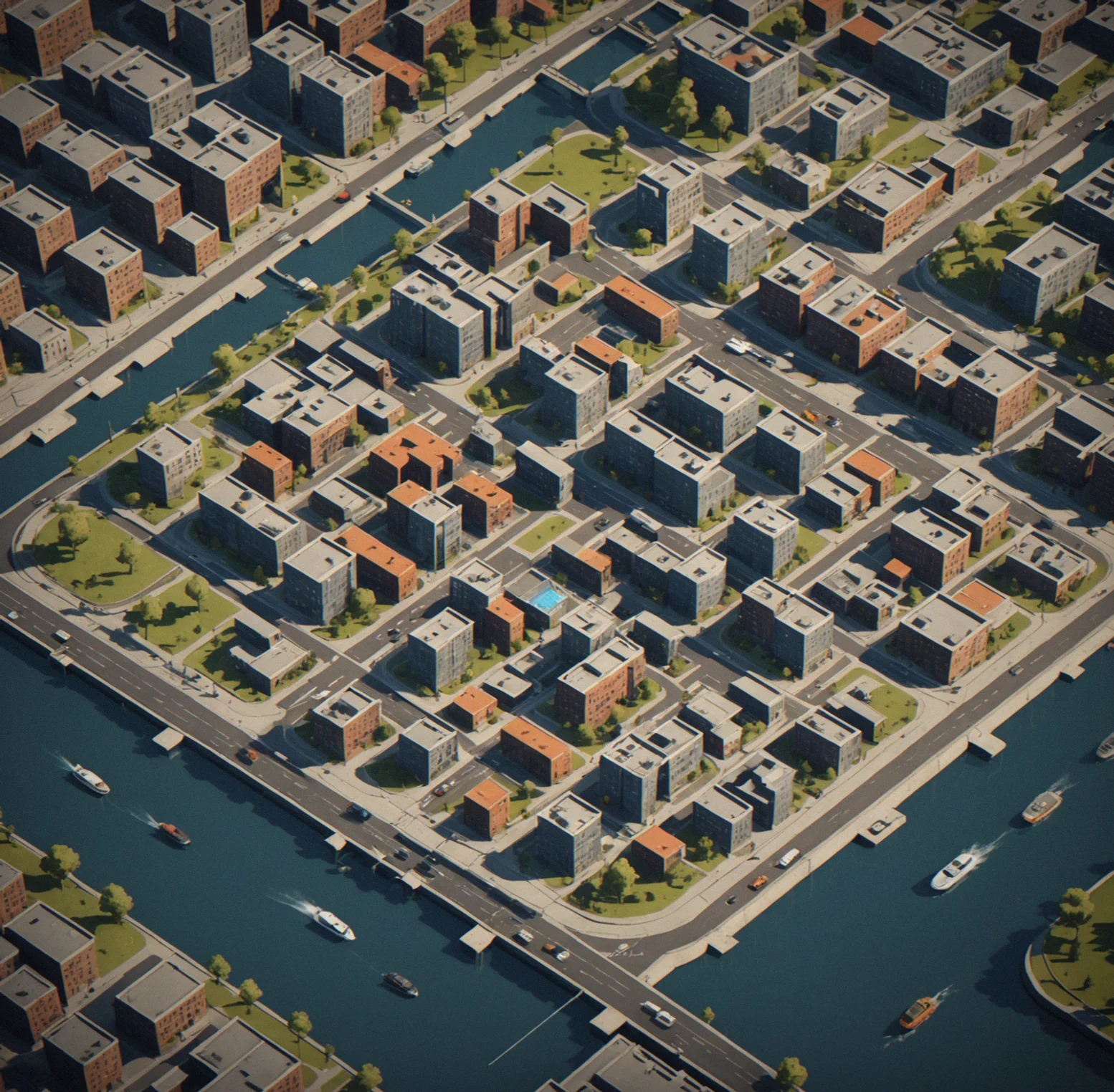
By week 20 you're running something completely different than week 1
Common questions
Got questions about how this works, what you're actually doing in the game and whether it's something you'd actually enjot playing?